What are you looking for?
Search

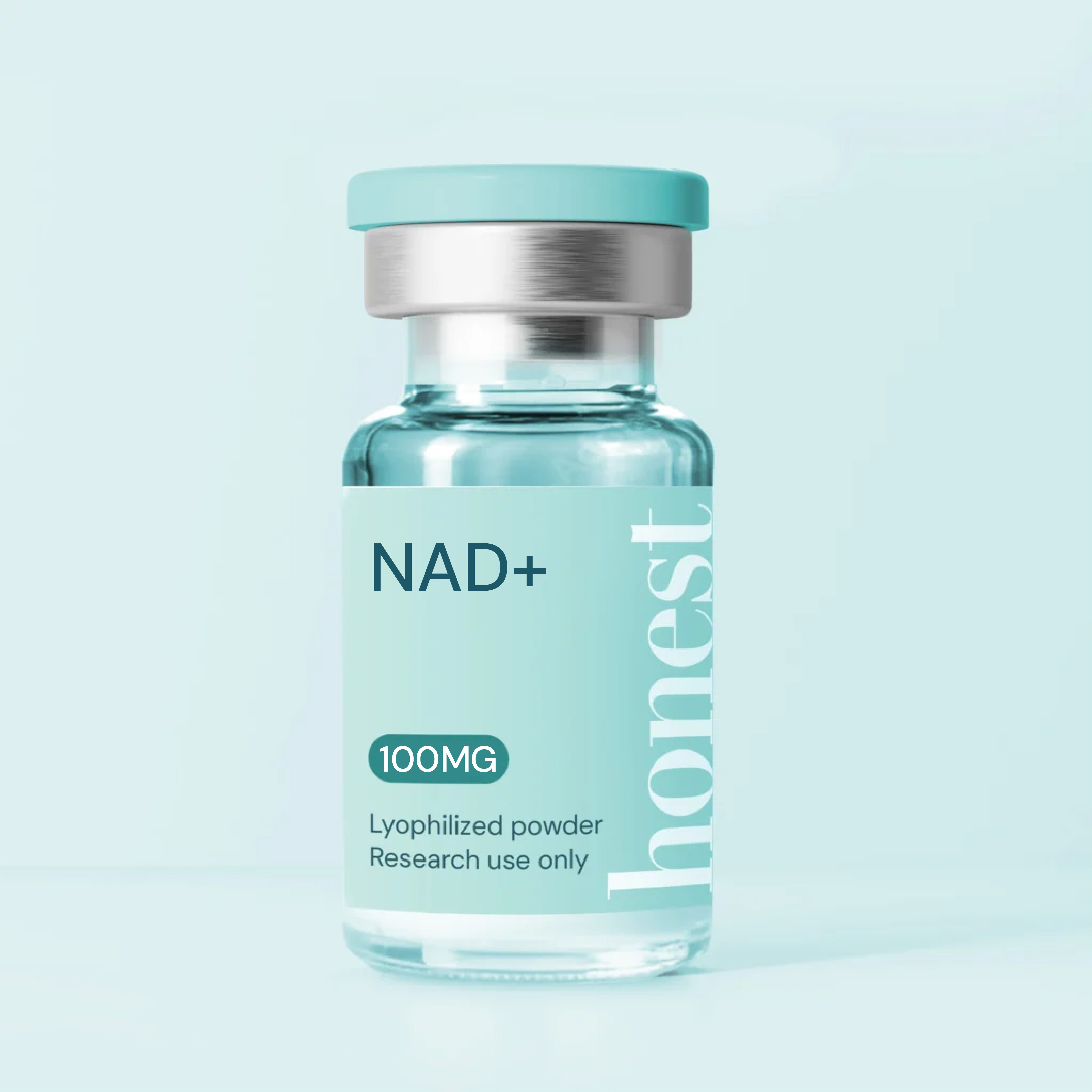
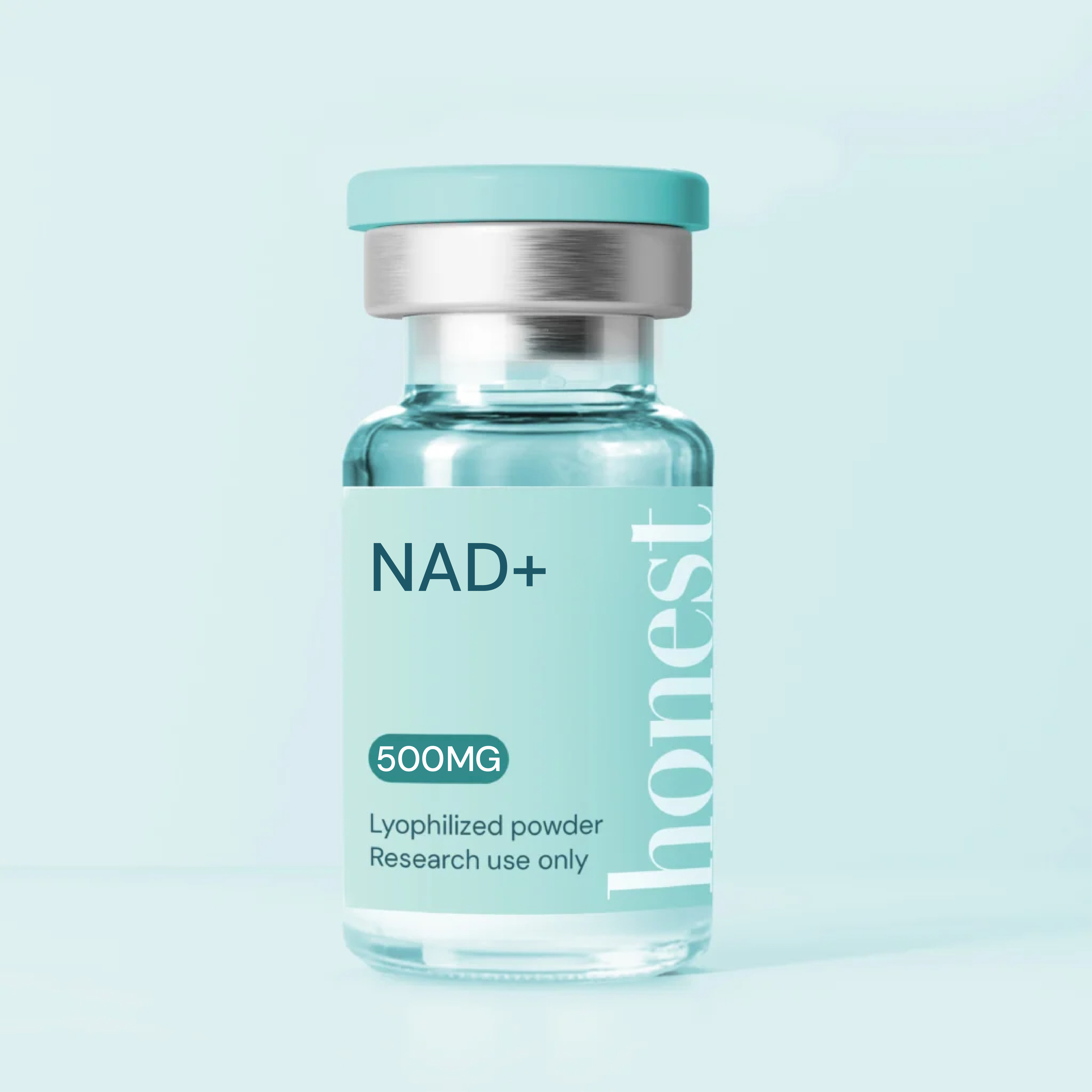
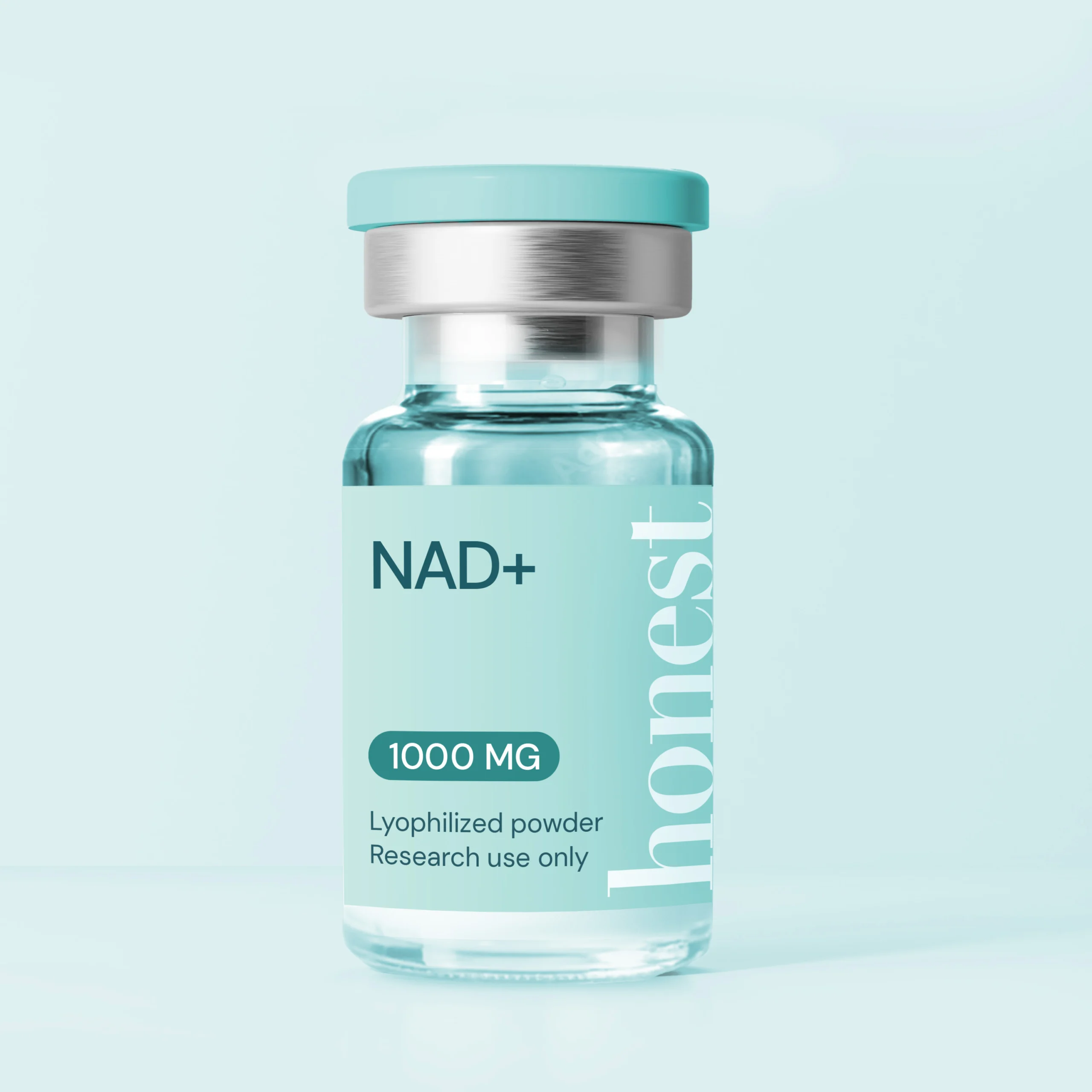
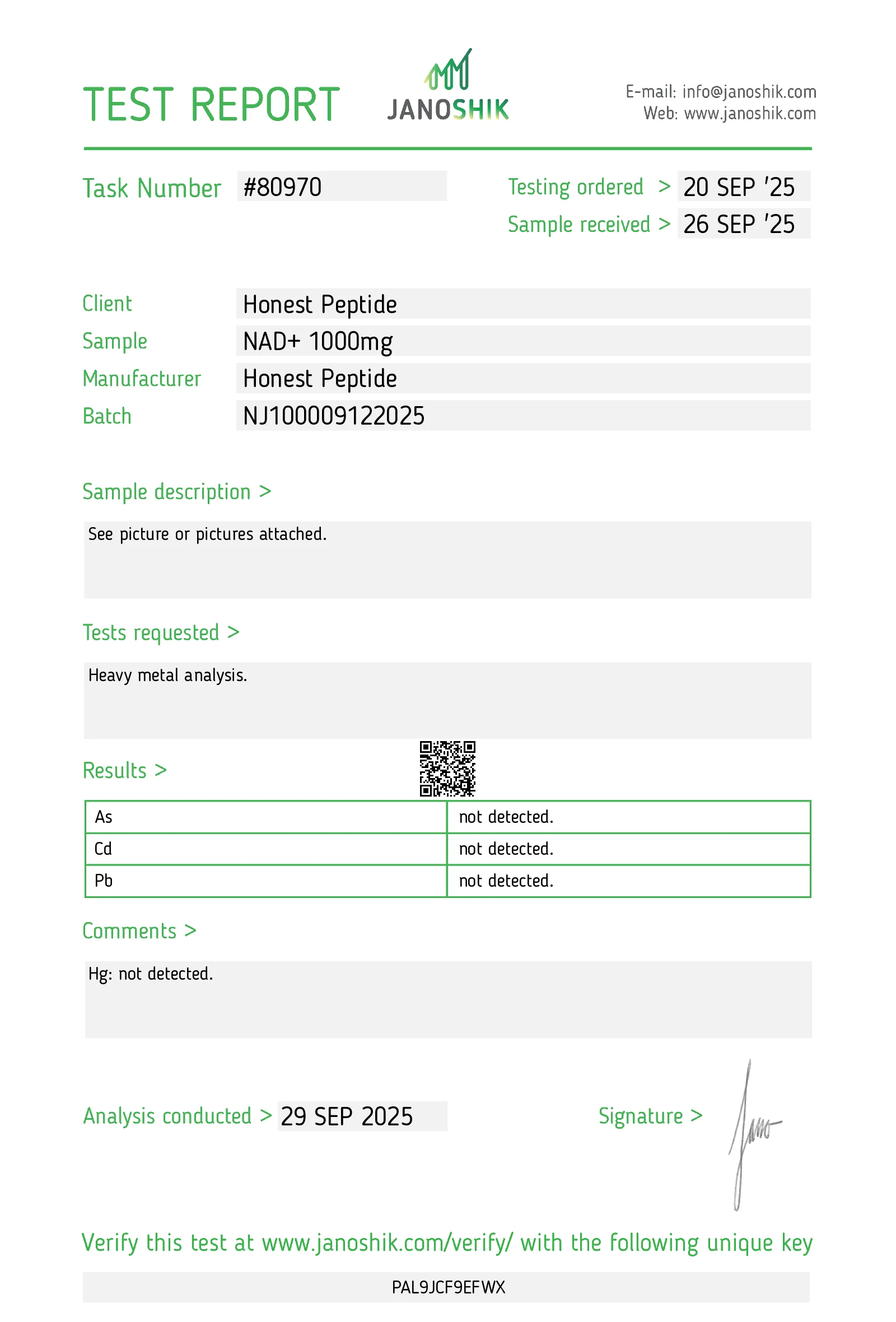
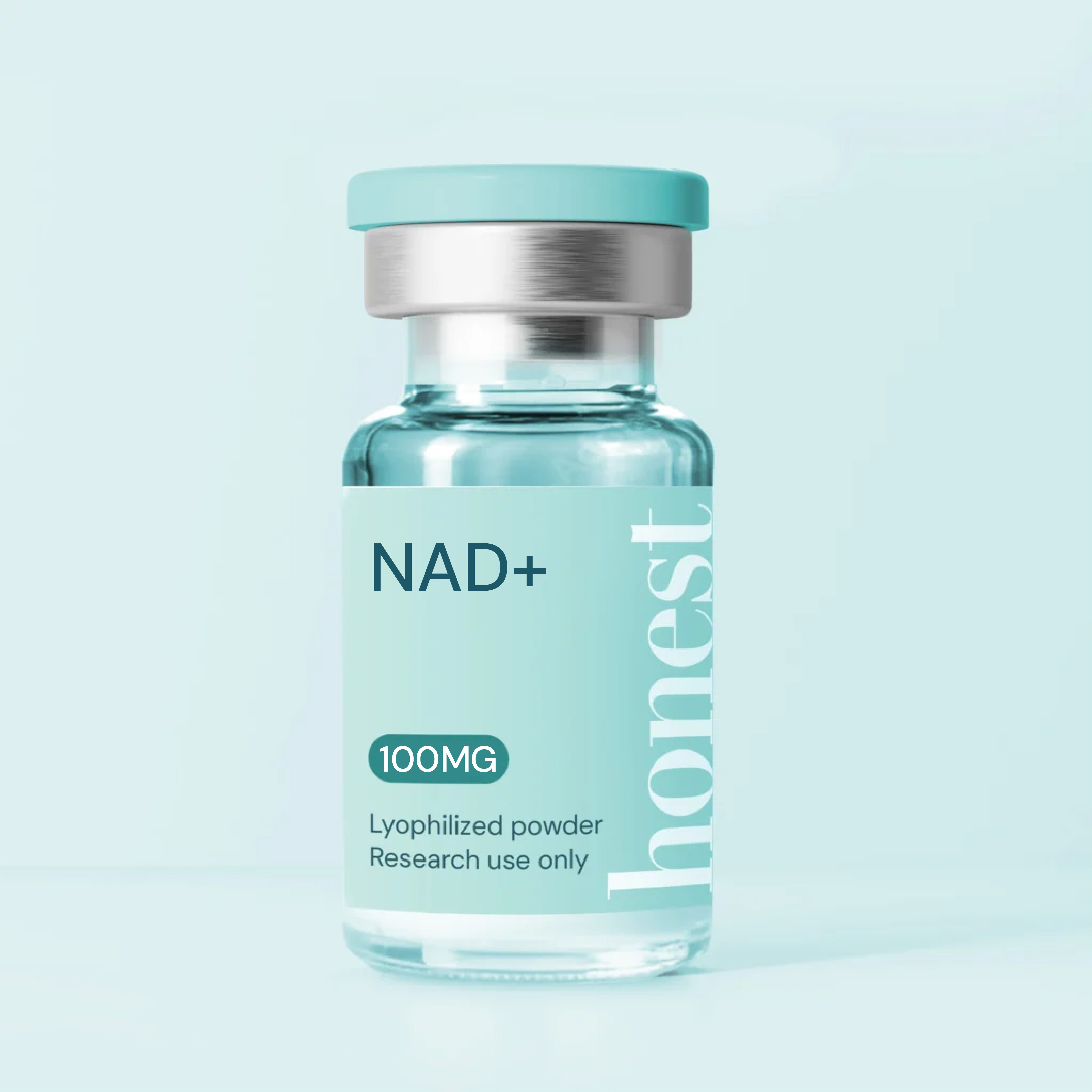
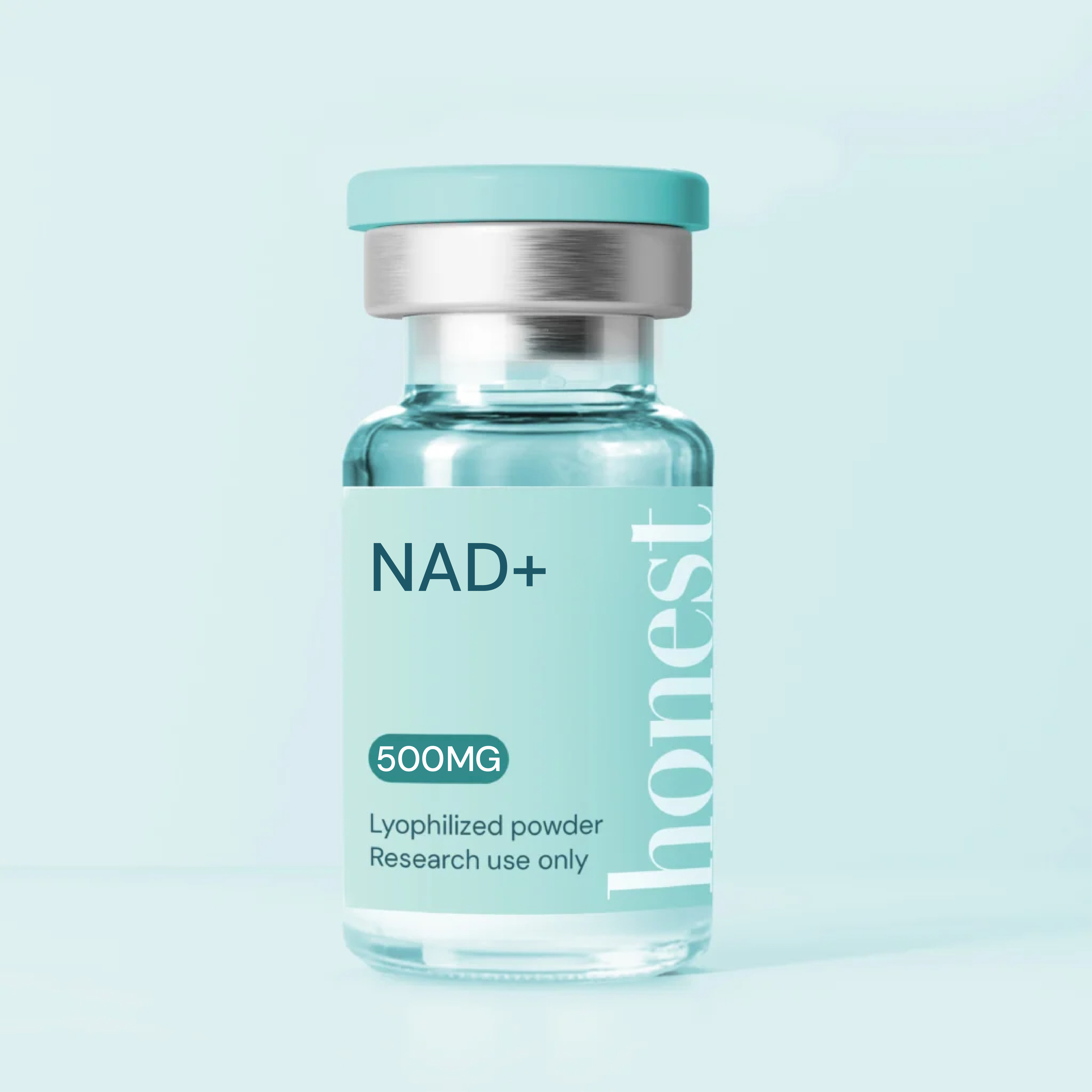
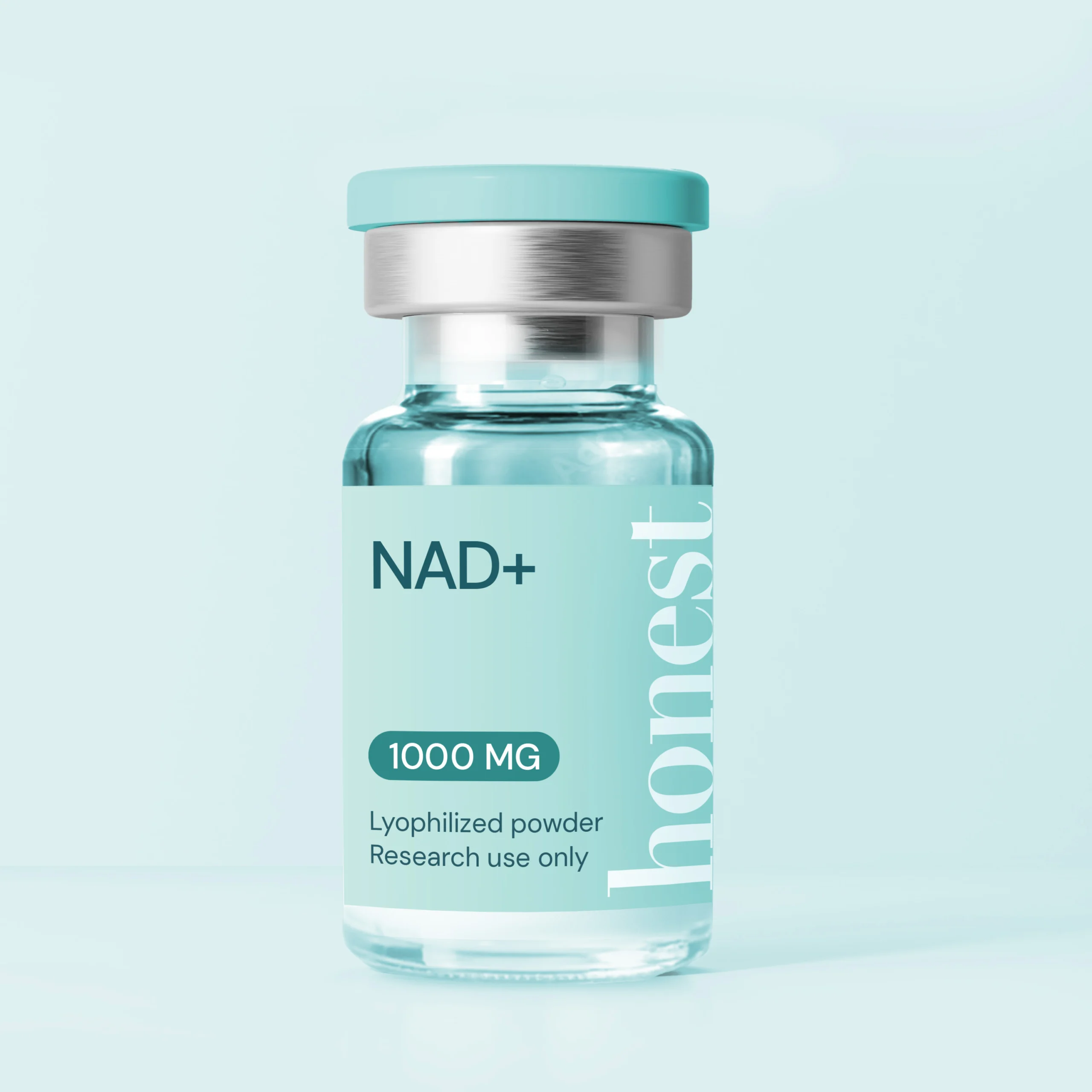
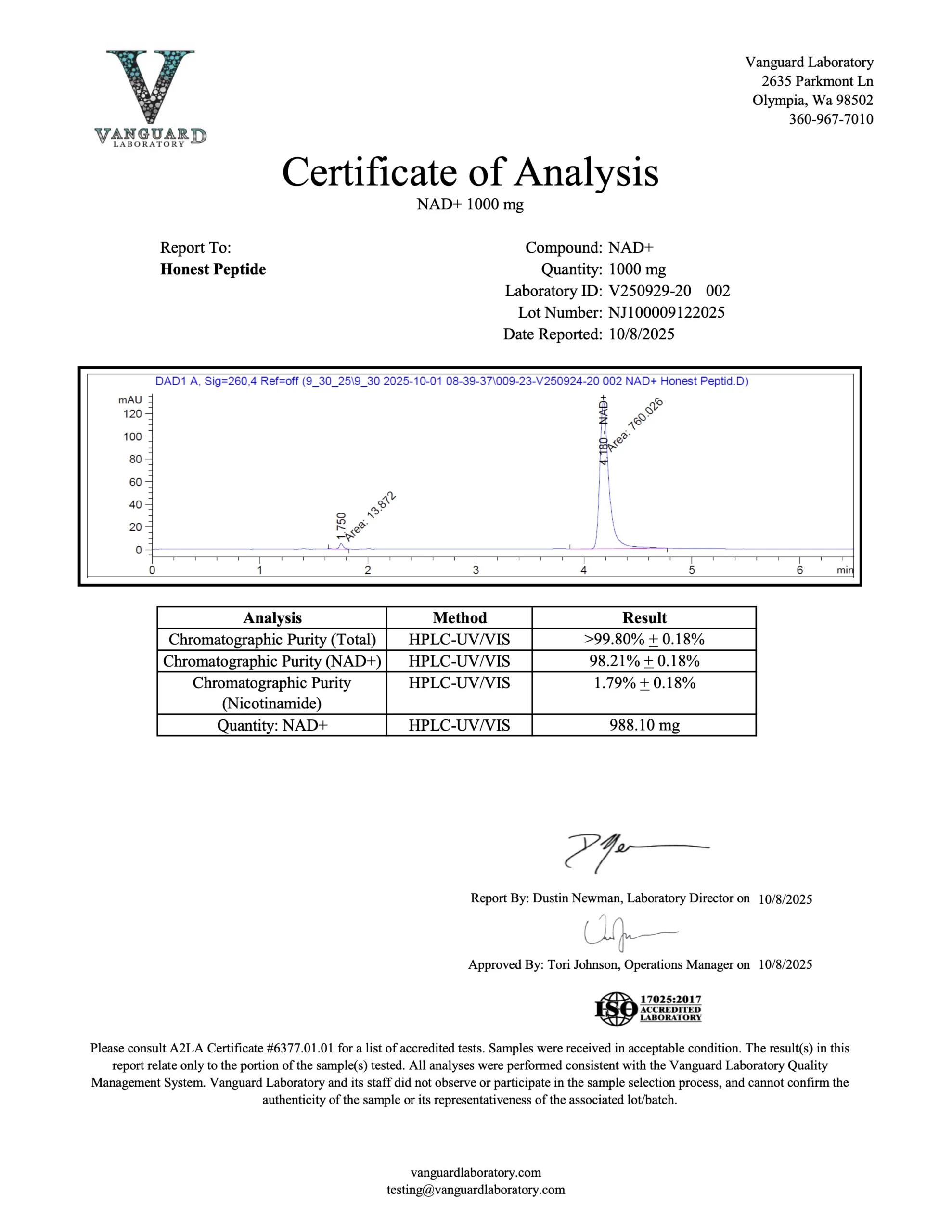
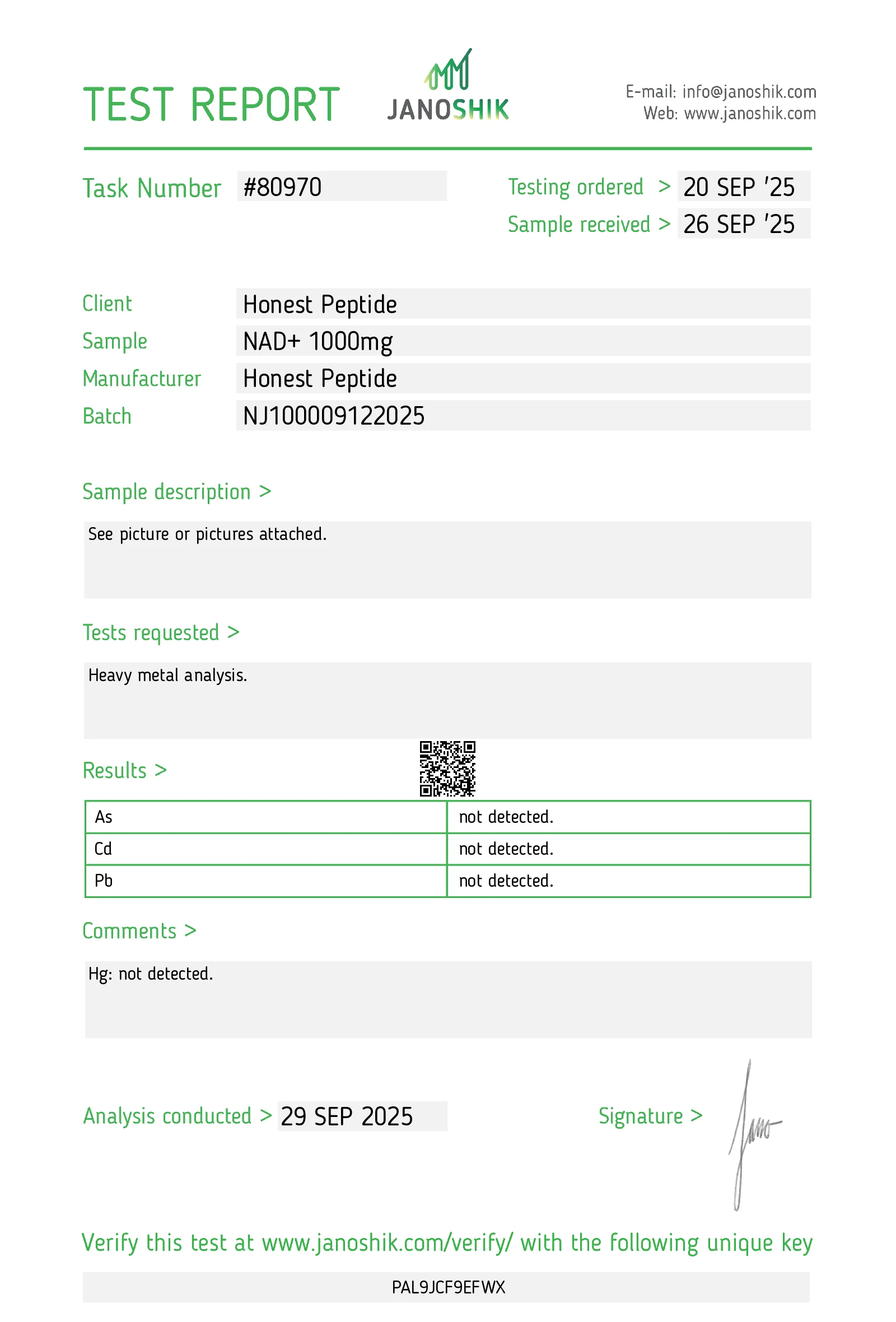
NAD+ 10vials
NAD⁺ (oxidized nicotinamide adenine dinucleotide) is a ubiquitous pyridine nucleotide coenzyme that accepts hydride ions in key metabolic pathways—glycolysis, the tricarboxylic acid cycle, and fatty-acid β-oxidation—to generate NADH for ATP production via oxidative phosphorylation. Beyond its redox role, NAD⁺ serves as an essential cosubstrate for NAD⁺-consuming enzymes such as sirtuin deacetylases and poly-ADP-ribose polymerases, thereby regulating gene expression, DNA-damage repair, and cellular stress responses. NAD⁺ availability also modulates mitochondrial biogenesis and metabolic homeostasis through SIRT1-PGC-1α signaling and impacts aging-related processes, as cellular NAD⁺ levels decline with age.

All products on this site are for research and development, laboratory, or analytical use only; they are not for human consumption, medical, diagnostic, cosmetic, veterinary, or any other non-research application. The statements and products have not been evaluated by the U.S. Food and Drug Administration and are not intended to diagnose, treat, cure, or prevent any disease. Honest Peptide is not a compounding pharmacy or chemical compounding facility as defined under section 503A of the Federal Food, Drug, and Cosmetic Act, nor an outsourcing facility as defined under section 503B.
Chemical Name:
Molecular Formula:
Molecular Weight:
PubChem CID:
CAS Number:
Synonyms:
Vial Size:
Contents:
Mechanism of action
Redox Coenzyme in Bioenergetics
Substrate for NAD⁺-Consuming Enzymes
Modulation of Gene Expression & Stress Responses
Salvage Pathway & Mitochondrial Health
Storage & handling
Storage:

You have successfully commented, please wait for review
Copied Successfully
You can enjoy up to 1 free gift!
